
21x20 Media presents
Skeleton in the Closet
The earliest print we can point to is an 1816 medical review, not a doctor hiding specimens.
The skeleton was a secret from page one.
The familiar story about nineteenth-century doctors hiding anatomical specimens has no evidence behind it. The earliest print we can point to is an English medical review from November 1816. It says families concealed hereditary illness and called the fear “a skeleton in the closet,” already a metaphor for a private shame that might be discovered. William Makepeace Thackeray helped spread the image in The Newcomes in 1855, writing that a respectable family had “a skeleton or two in their closets.” Britain later favored cupboard while America kept closet. Either way, no real corpse started it. The film’s skeleton would also like the missing Halloween candy entered into evidence.
Watch it here, then share this page so the title, artwork, and 21x20 Media credit travel with the film.
More from the studio
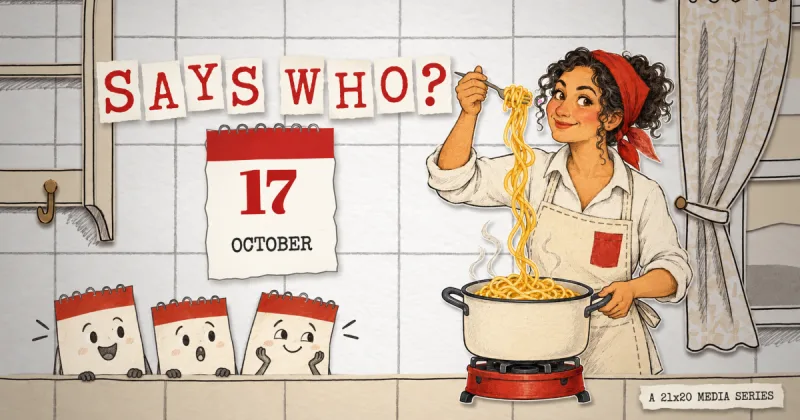 1 episodeSays Who?
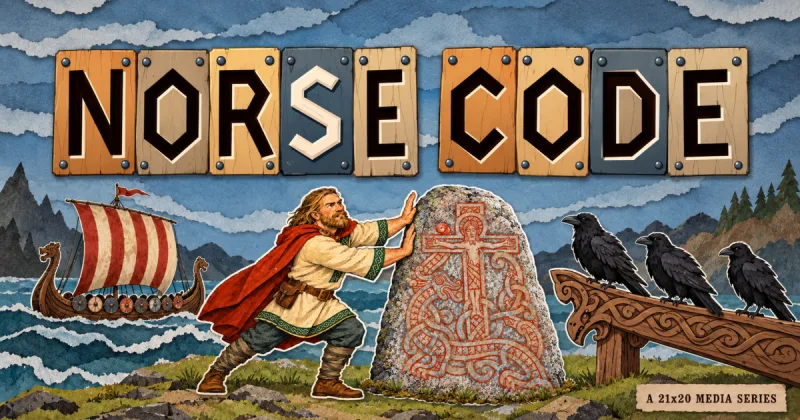 3 episodesNorse Code
 4 episodes21x20 Pilots
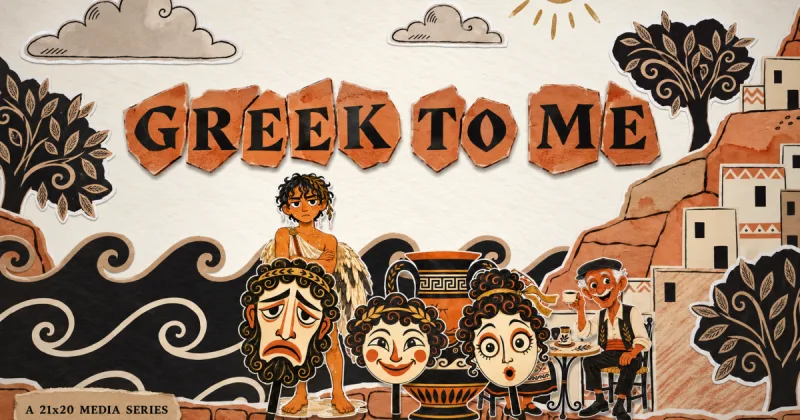 8 episodesGreek to Me
 10 episodesThe Adventures of Pepper and Bella
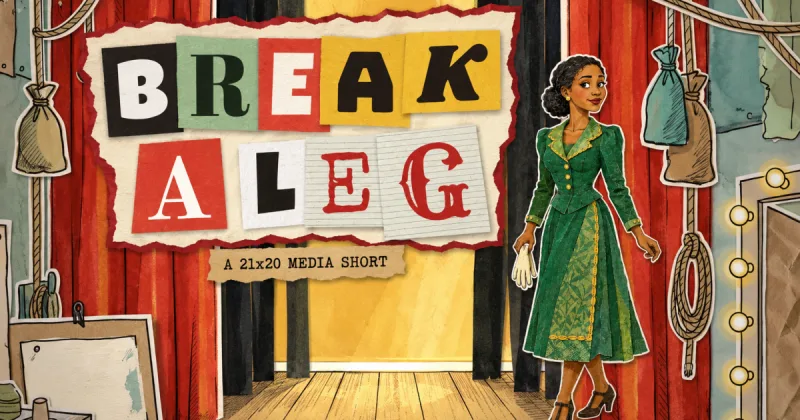 Break a Leg1 minute, 11 seconds
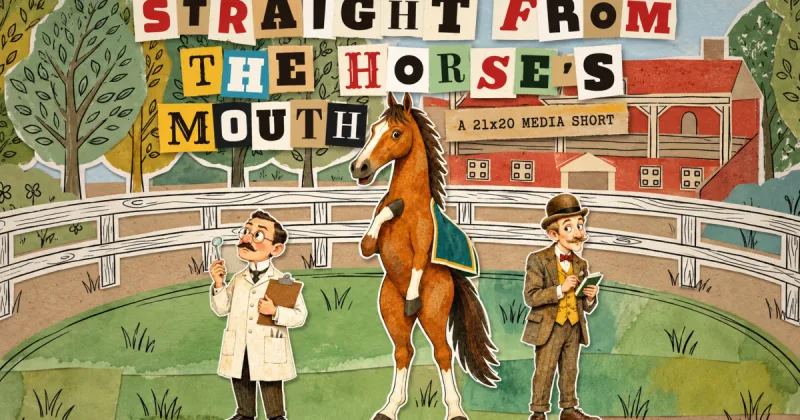 Straight from the Horse's Mouth1 minute, 6 seconds
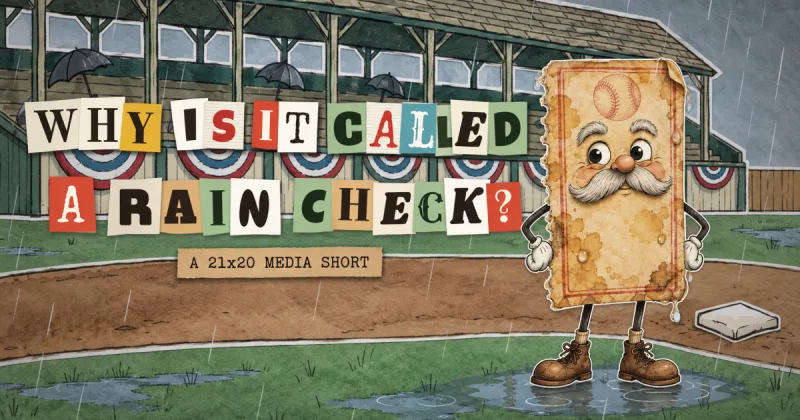 Why Is It Called a Rain Check?1 minute, 8 seconds
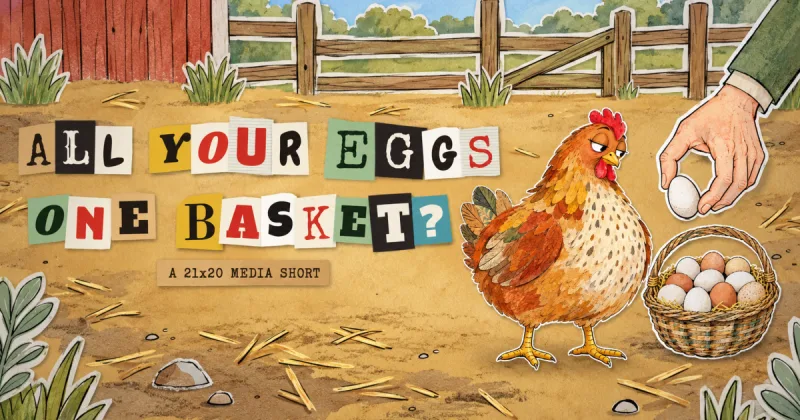 Don't Put All Your Eggs in One Basket1 minute, 14 seconds
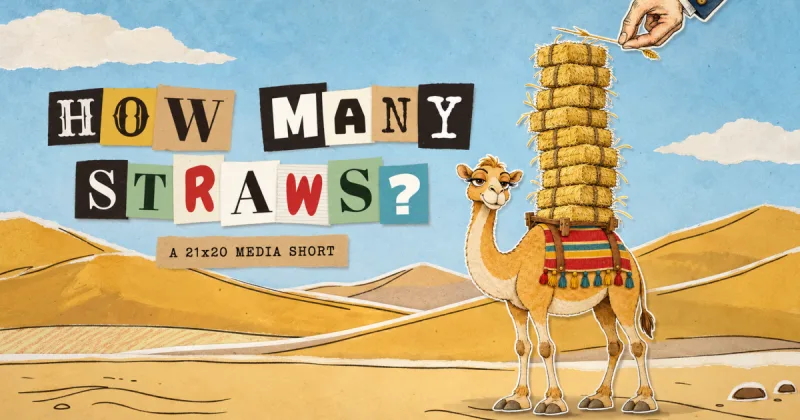 The Straw That Broke the Camel's Back1 minute, 12 seconds
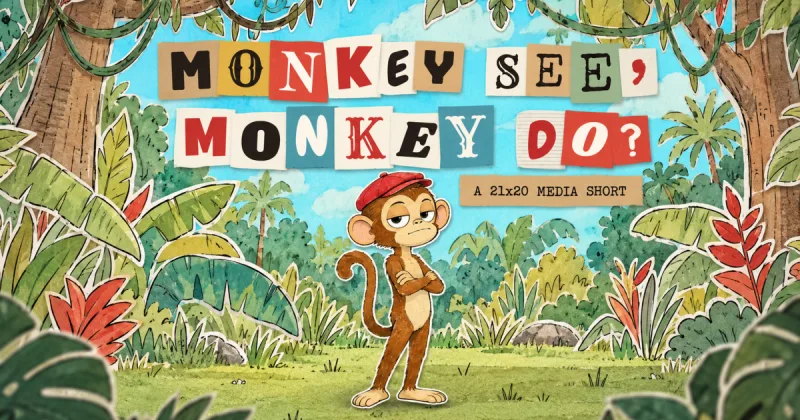 Monkey See, Monkey Do1 minute, 13 seconds
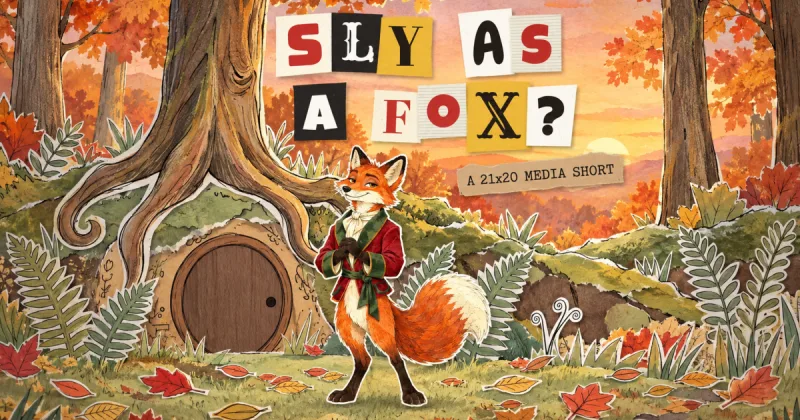 Sly as a Fox1 minute, 13 seconds
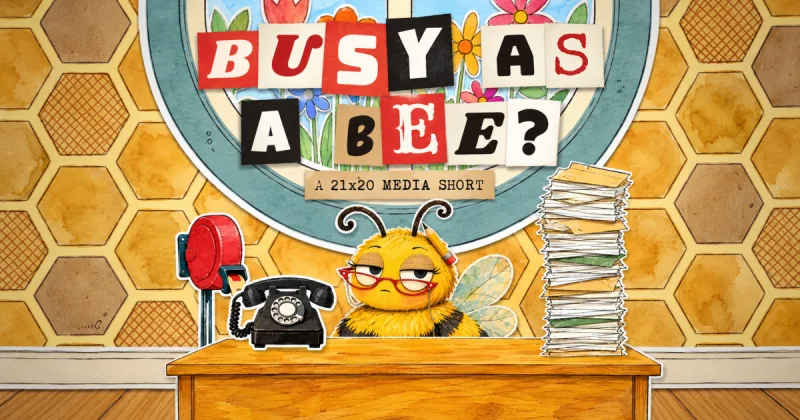 Busy as a Bee1 minute, 14 seconds
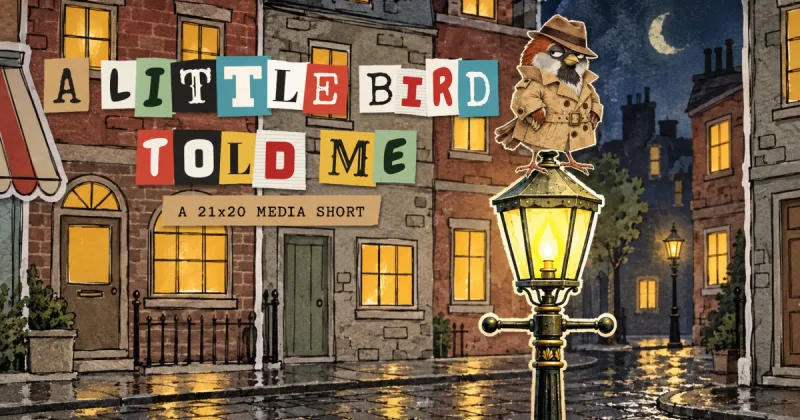 A Little Bird Told Me1 minute, 12 seconds
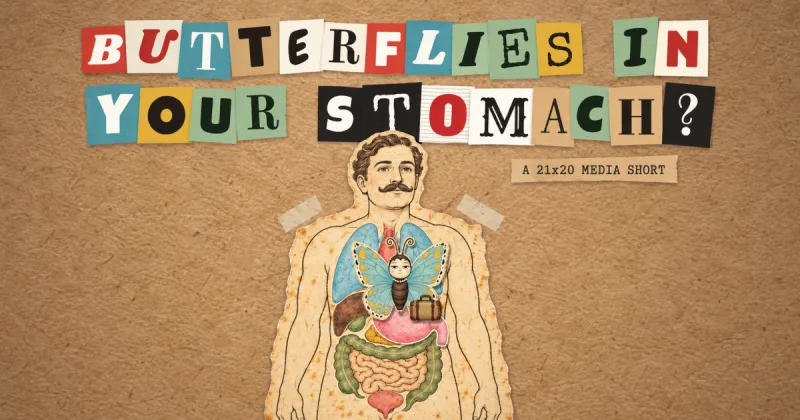 Butterflies in Your Stomach1 minute, 11 seconds
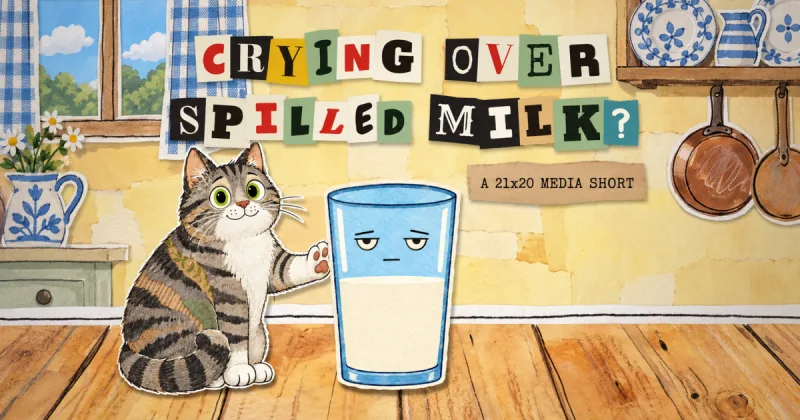 Crying Over Spilled Milk1 minute, 13 seconds
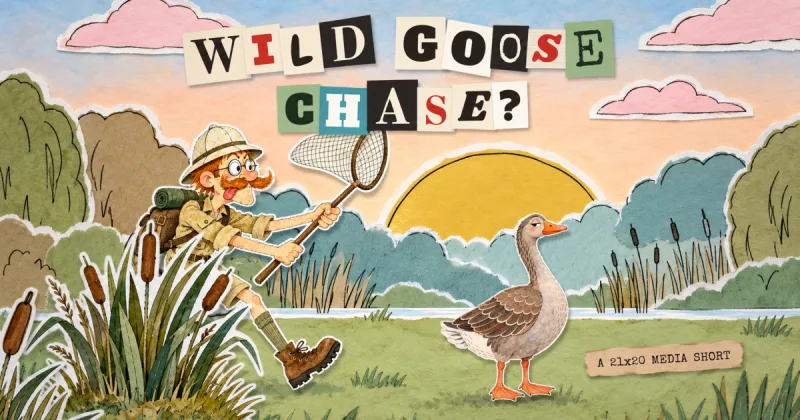 Wild Goose Chase1 minute, 9 seconds
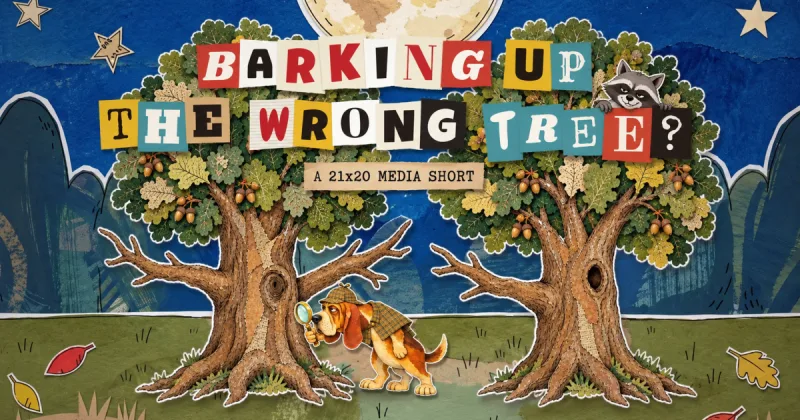 Barking Up the Wrong Tree1 minute, 9 seconds
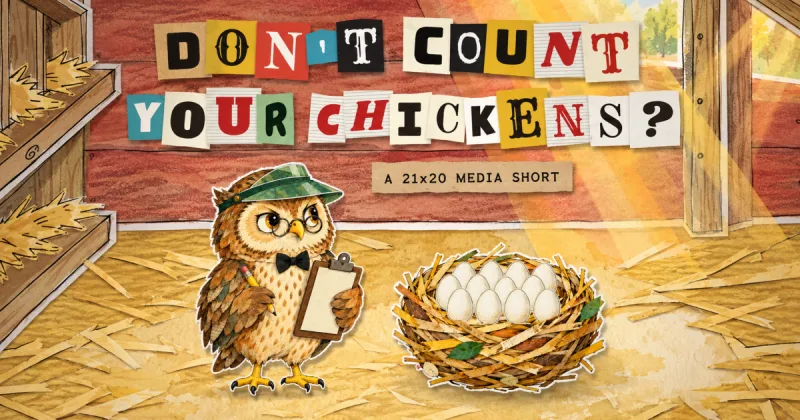 Don't Count Your Chickens1 minute, 14 seconds
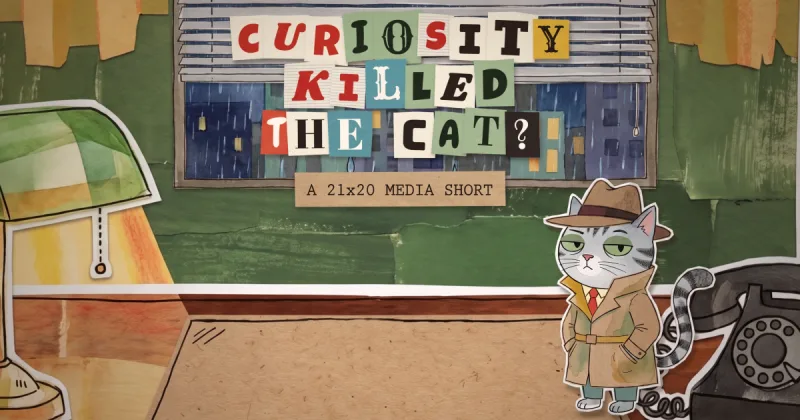 Curiosity Killed the Cat1 minute, 15 seconds
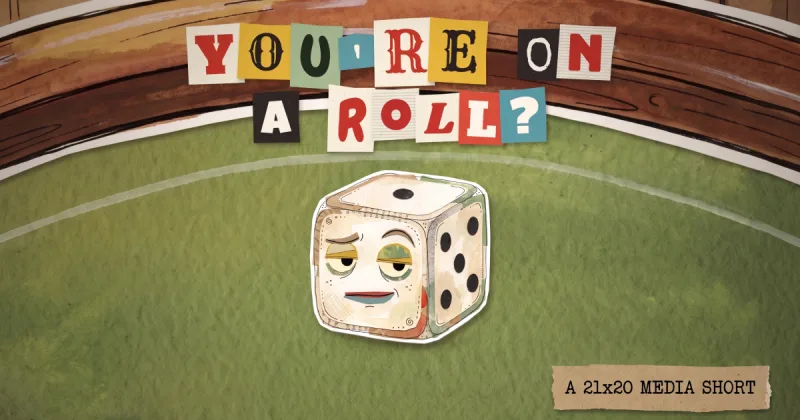 You're on a Roll1 minute, 10 seconds
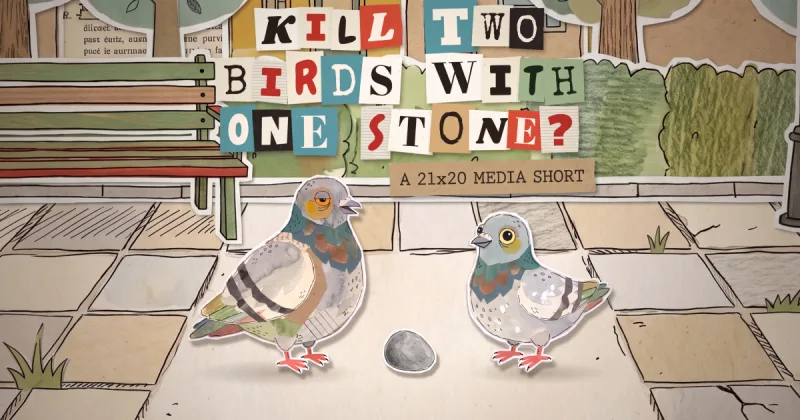 Kill Two Birds with One Stone1 minute, 11 seconds
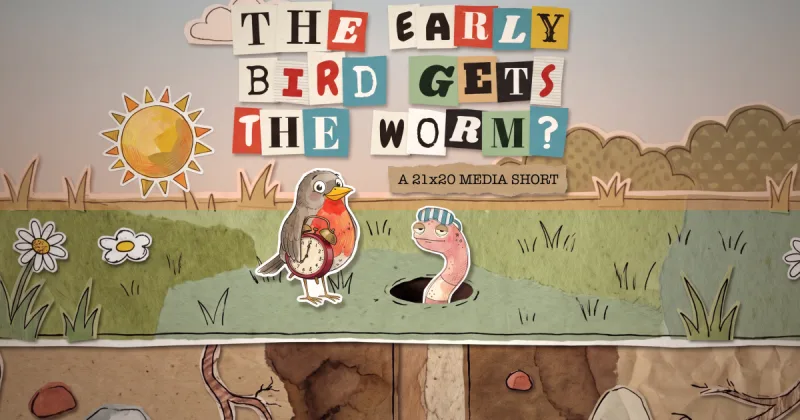 The Early Bird Gets the Worm1 minute, 12 seconds
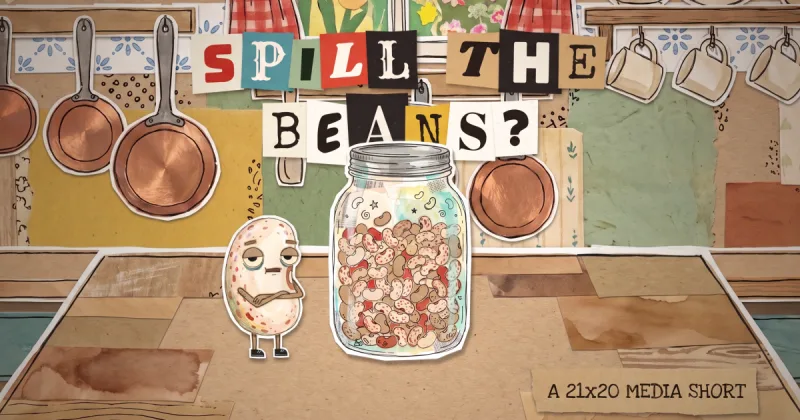 Spill the Beans1 minute, 16 seconds
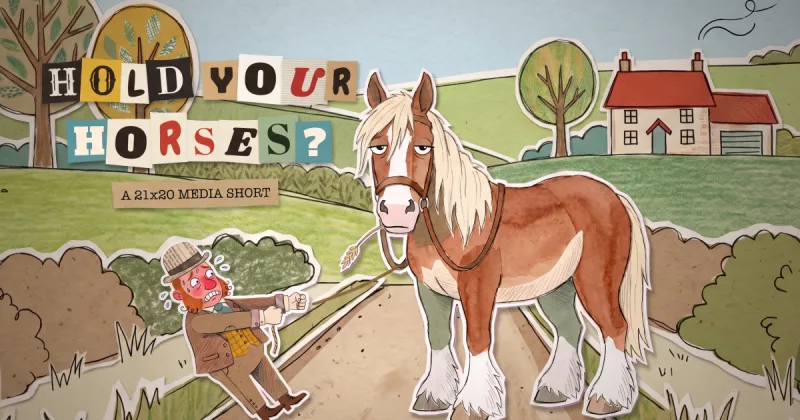 Hold Your Horses1 minute, 10 seconds
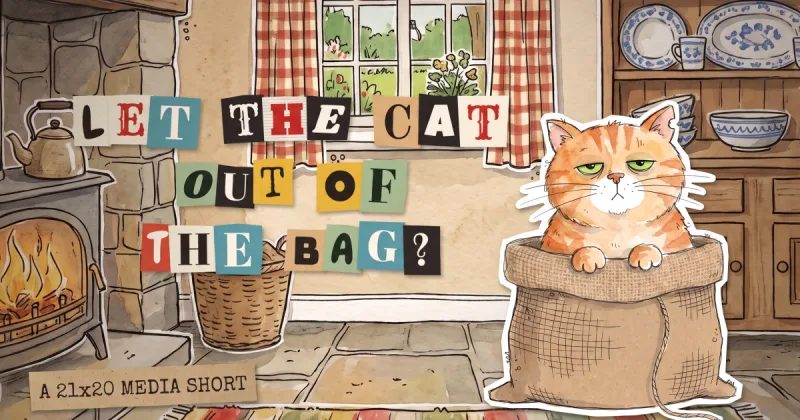 Let the Cat Out of the Bag1 minute, 13 seconds
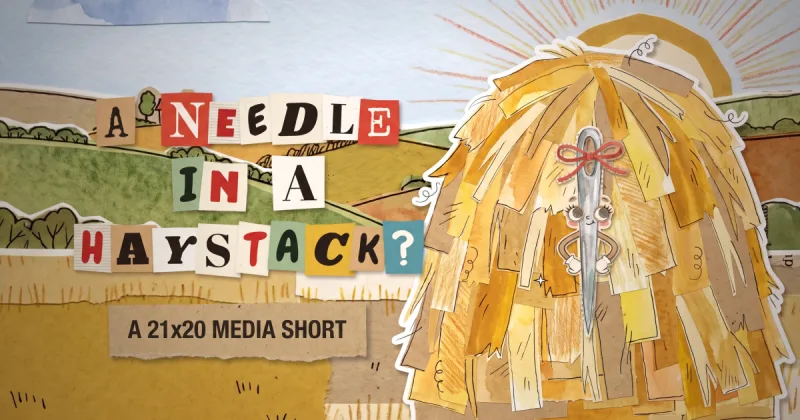 A Needle in a Haystack1 minute, 11 seconds
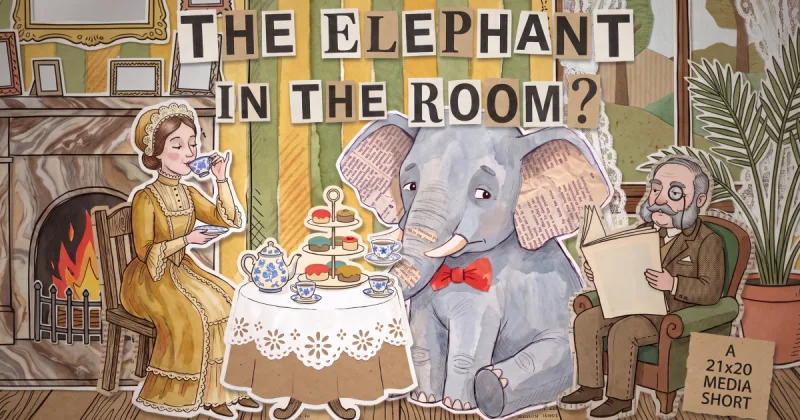 The Elephant in the Room1 minute, 12 seconds
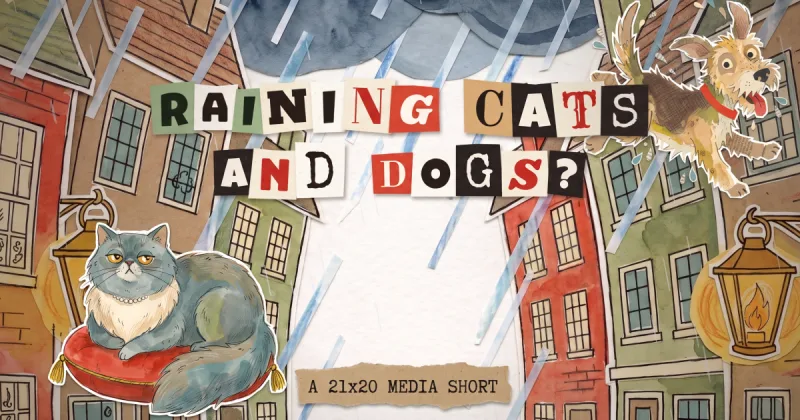 Raining Cats and Dogs1 minute, 17 seconds
 A Bull in a China Shop1 minute, 10 seconds
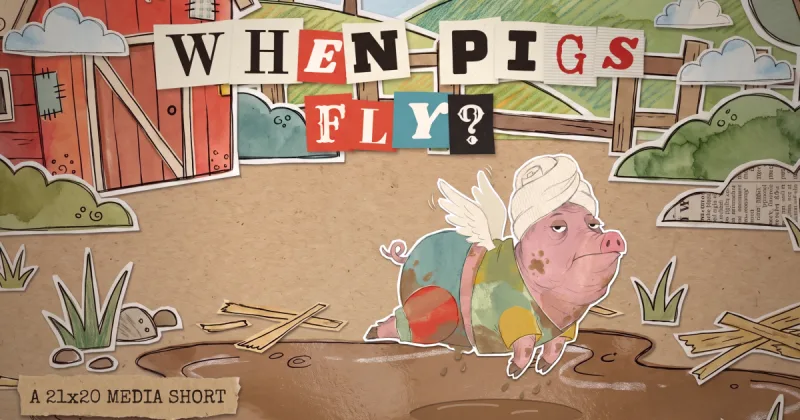 When Pigs Fly1 minute, 18 seconds
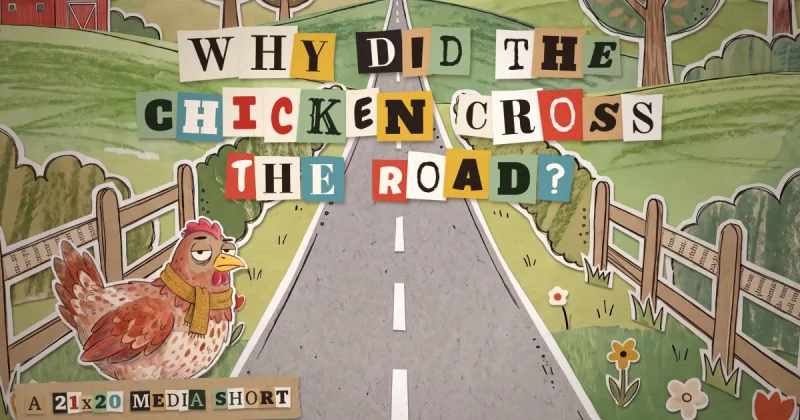 Why Did the Chicken Cross the Road?1 minute, 7 seconds
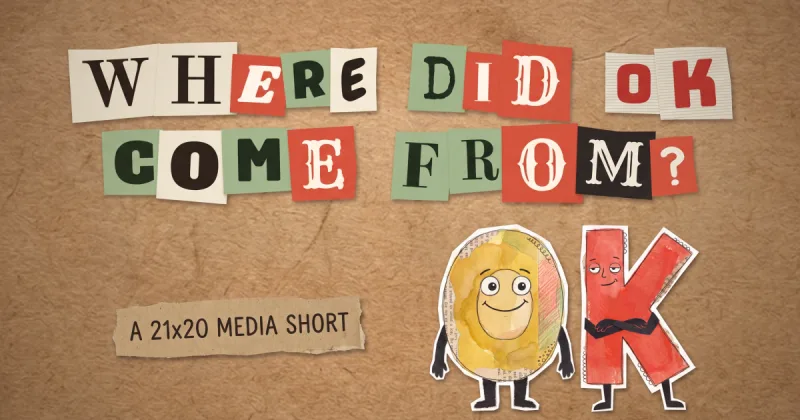 Where Did OK Come From?1 minute, 10 seconds
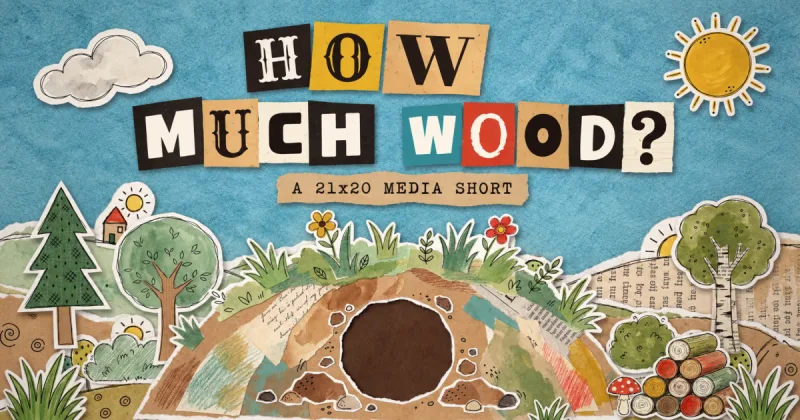 How Much Wood?1 minute, 4 seconds